Canada's robust economy offers good job opportunities to skilled workers and professionals from the Philippines and other countries through the permanent and temporary migration schemes. The Provinces in Canada have adopted the Provincial Nominee Program to facilitate the entry of immigrants to its labor force.
The Human Resources and Social Development Canada has reported that 1.9 million new jobs will be created over the next decade (2006 – 2015) particularly in the Western provinces of Canada such as Alberta, British Columbia, Saskatchewan and Manitoba.
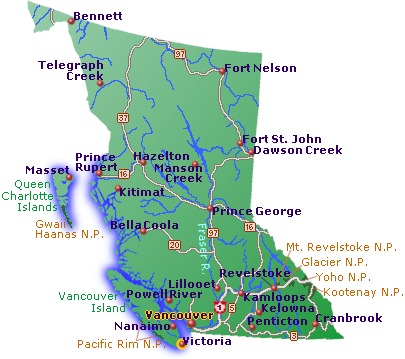
British Columbia
In British Columbia, US $130 billion worth of projects and construction are on-going in Vancouver, partly due to the requirements of the forthcoming 2010 Winter Olympics, but mainly due to the huge economic growth of British Columbia. For the Winter Olympics in 2010, an additional 22,000 to 24,00 temporary workers will be needed. There will be a demand for 30,000 permanent workers per year for the next twelve years in the hotel and restaurant and services sectors. The health, transport and mining industries are also experiencing skills shortages.
Manitoba
Manitoba needs manpower across various sectors. There is a demand for caregivers and nannies, truck drivers, welders, machinists, boilermakers, sheet metal workers, glaziers, pipe fitters, mechanics, plasterers/ drywall installers, carpenters/ cabinetmakers, bricklayers / stone masons.
Alberta
The sudden surge in labor demand in Alberta is largely oil and gas propelled. Canada is reputed to have oil reserves in its tar sands much more than what the Gulf countries have. The province of Alberta alone has estimated oil reserves of about 375 billion barrels, or approximating that of Saudi Arabia.
Skills in demand in Alberta include physicians, dentists and veterinarians (5,000 workers for the period 2006-2016), facility operation and maintenance managers (up to 3,908 people by 2016), other engineers: industrial and manufacturing, metallurgical and materials, mining, geological, petroleum, aerospace, computer (except software) and other professional engineers, other elemental service occupations: dry cleaning and laundry occupation, ironing, pressing and finishing occupation, other elemental service occupations, central control and process operators in manufacturing and processing, technical occupations in computer and information systems, pharmacists, dietitians, nutritionists, managers in primary production (except agriculture).
Saskatchewan
Saskatchewan targets to bring in 5,000 immigrants by 2008. The Saskatchewan Immigration Nominee Program (SINP) has posted the following skills in demand for the province: skilled workers, entrepreneurs, farmer owner/operator, health professionals, long haul truck drivers, heavy duty equipment family restaurant cooks, mechanics/technicians, industrial painters, sandblasters.
APPROVED JOB ORDERS
POEA's government placement facility has no job openings for Canada. There are about 109 POEA-licensed private recruitment agencies that have approved job orders for registered employers/principals in Canada for the recruitment of skilled workers and professionals in the various industries. Interested applicants may apply with these licensed recruitment agencies or search for job orders at our website www.poea.gov.ph.
NO PLACEMENT FEE POLICY
The general public is advised further that Canadian laws and regulations in these provinces prohibit the charging of recruitment and placement fee from workers seeking employment in Manitoba, British Columbia, Saskatchewan and Alberta provinces of Canada or from workers under the Pilot Project of the Canadian Government regardless of the province of destination in Canada.
The Pilot Project of the Government of Canada for the hiring of foreign workers in occupations usually require a high school diploma or a maximum of 2 years of jobspecific training (level C and D). The prevailing policy requires the Canadian employers to cover all recruitment costs related to the hiring of the foreign workers under the project.
The POEA has issued Memorandum Circular No.03 (series of 2007) on the "non-placement fee" policy for Canada for this purpose.













 Posts
Posts